
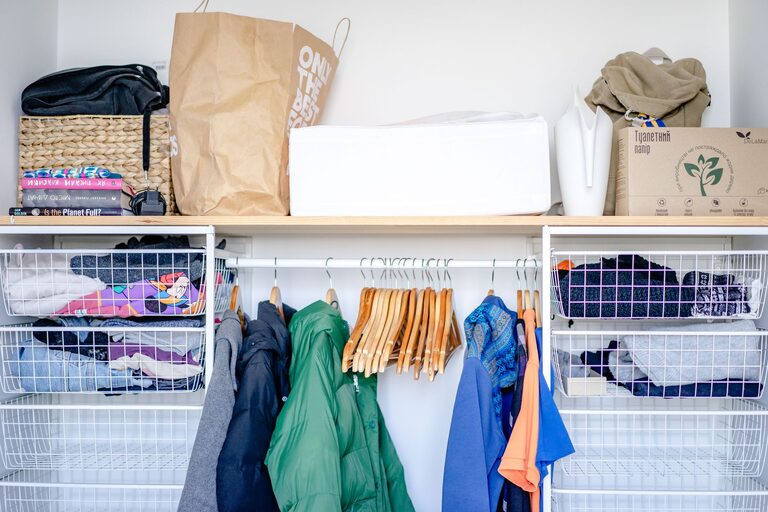
Storing seasonal clothes efficiently can make a big difference in keeping your home tidy and your wardrobe accessible. When the seasons change, it’s common to swap out warm sweaters for lighter outfits or vice versa. Without an organized system, clothes can pile up and create clutter. Fortunately, with a little planning and the right techniques, you can keep your seasonal clothing neat, protected, and easy to find.
In this post, we’ll guide you through effective storage methods, storage container recommendations, and maintenance tips to keep your clothes fresh season after season.
Why Store Seasonal Clothes Properly?
Proper storage helps prolong the life of your garments by protecting them from damage caused by moisture, pests, or wrinkles. It also saves space by keeping only the clothes you need at hand, reducing the time and effort spent searching for items. Additionally, a well-organized closet improves your daily routine and gives your home a cleaner look.
Preparing Clothes for Storage
Before packing away your seasonal clothes, preparation is key. Follow these steps to ensure your items stay in great condition:
1. Clean Everything Thoroughly
Wash or dry clean all clothes before storing. Dirt, oils, and stains can attract insects and cause fabric damage over time. Make sure the clothes are completely dry to avoid mold or mildew growth.
2. Repair and Mend
Check for loose buttons, broken zippers, or small tears. Repair these issues before storage to avoid forgetting about them or letting the damage get worse.
3. Sort and Declutter
Use this opportunity to sort through your wardrobe. Separate clothes you want to keep, donate, or discard. Limiting your stored items to only what you truly need saves space and makes future storage easier.
Choosing the Right Storage Solutions
Selecting appropriate storage containers and methods depends on your available space and clothing types. Here are some options to consider:
1. Clear Plastic Bins with Lids
Transparent bins allow you to see what’s inside without opening them. Choose sturdy bins with tight-fitting lids to protect clothes from dust and pests. Use labels to identify contents easily.
2. Vacuum-Sealed Bags
These bags compress your clothes by removing air, greatly saving space. They work well for bulky sweaters, coats, and blankets. However, avoid using them for delicate fabrics that may crease easily.
3. Storage Boxes with Dividers
Boxes with compartments keep smaller items like scarves, gloves, and hats organized. You can also use drawer organizers inside larger boxes.
4. Hanging Garment Bags
For delicate or formal clothes, garment bags protect from dust while allowing you to store them hanging in closets or garment racks.
5. Fabric Storage Bags
Breathable fabric bags offer protection while allowing air circulation, reducing risk of moisture buildup.
Smart Storage Tips by Clothing Type
Different garments may require tailored storage methods to keep them in the best shape.
Sweaters and Knits
Fold sweaters to prevent stretching that occurs when hanging. Store them in breathable containers to avoid moisture buildup. Avoid overpacking to maintain shape.
Coats and Jackets
Use hanging garment bags for long coats. If storing in bins, fold carefully with tissue paper between folds to reduce wrinkles.
Dresses and Formalwear
Hang items in breathable garment bags. Avoid plastic covers that trap moisture. Use padded hangers to maintain shape.
Shoes and Accessories
Store shoes in clear boxes with ventilation or fabric bags. Keep accessories like belts, scarves, and hats in smaller divided boxes to avoid tangling.
Maximizing Closet and Storage Space
When space is limited, maximizing your storage area becomes crucial. Here are some ideas:
– Use Under-Bed Storage: Flat bins or vacuum bags can slide under beds, making use of hidden space.
– Install Overhead Shelves: Utilize vertical space above closets or in storage rooms.
– Add Hooks and Racks: Wall-mounted hooks can hold bags, scarves, and hats efficiently.
– Rotate Clothes Seasonally: Keep only current season clothing in your main closet, moving off-season items to storage.
Maintaining Stored Clothes
Once your clothes are stored, it helps to maintain them periodically:
– Check for Moisture or Mold: Inspect containers every few months to catch any humidity issues early.
– Use Cedar or Lavender Sachets: These natural repellents deter moths and insects without harsh chemicals.
– Refold and Rotate: Refolding minimizes permanent creases and rotating items prevents fabric wear.
Conclusion
Storing seasonal clothes efficiently is a great way to protect your wardrobe, save space, and keep your living area organized. By preparing garments properly, selecting the right containers, and using smart storage techniques, you can enjoy easy access to your clothes year-round. Take the time now to set up an efficient system, and you’ll appreciate the benefits every time you change your wardrobe for the season.
With these simple yet effective tips, managing your seasonal clothing becomes a stress-free task that improves both your home and daily routine. Happy organizing!