
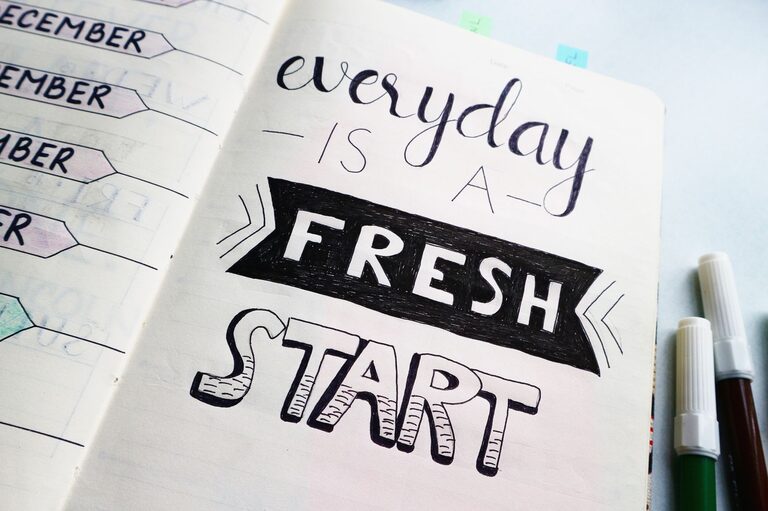
Creativity is not just for artists, writers, or musicians — it’s a valuable skill that anyone can develop and enjoy. Practicing creativity daily helps you approach problems with fresh ideas, enhances your mood, and makes life more fulfilling. The good news is that you don’t need special tools or a lot of extra time to nurture your creative spark. Simple daily habits and mindful practices can make a big difference.
In this post, we’ll explore practical and easy ways to incorporate creativity into your everyday life.
Why Practice Creativity Every Day?
Creativity thrives on habit and consistency. When you make room for creative activities regularly, you train your brain to think flexibly and generate new ideas more easily. This can improve problem-solving, boost confidence, and reduce stress. Practicing creativity doesn’t mean you have to create masterpieces every day — it’s about engaging your imagination and expressing yourself in any form.
Simple Ways to Practice Creativity Daily
1. Keep a Daily Journal
Writing in a journal doesn’t have to be lengthy or complicated. Spend 5 to 10 minutes jotting down your thoughts, ideas, or even doodles. Use prompts like “What inspired me today?” or “A new idea I want to try.” Journaling helps you capture fleeting ideas before they disappear and opens your mind to new connections.
2. Set Aside Time for Free Writing or Drawing
Choose a short block of time, perhaps 10 minutes, to write or draw without any specific goal. This freeform practice encourages your brain to explore ideas without judgment. You might write nonsense sentences, sketch abstract shapes, or brainstorm solutions to a simple problem. The key is to let go of the need for perfection.
3. Explore New Perspectives
Creativity often comes from seeing things differently. Challenge yourself to change your routine or environment: take a new route to work, rearrange your workspace, or try out a different hobby. Writing a short story from another person’s point of view or imagining a familiar object in a new use can stimulate fresh ideas.
4. Use Creative Prompts
Prompts can be great for sparking inspiration. Find photo prompts, story starters, or drawing challenges online or in books. Dedicate a few minutes daily or weekly to responding to a prompt. This practice helps you overcome “creative blocks” by giving your brain a starting point.
5. Practice Mindfulness and Observation
Creativity also involves noticing details others might miss. Spend time observing the world around you without distraction. Notice colors, shapes, sounds, or patterns. Mindfulness helps you tune in to your senses and fuels creative thinking by deepening your connection to your surroundings.
6. Limit Screen Time and Daydream
While technology is a valuable tool, too much screen time can inhibit creativity by constantly feeding your brain external content. Take breaks to daydream or let your mind wander. These moments of mental rest allow your subconscious to make creative connections.
7. Collaborate and Share Ideas
Creativity is often enhanced by collaboration. Share your ideas with friends, family, or colleagues, and seek their perspectives. Group brainstorming or creative discussions can lead to new insights and motivation. Don’t hesitate to give and get feedback—it’s part of the creative process.
8. Try Something New Regularly
Stepping outside your comfort zone fuels creativity. Try learning a new skill, cooking a different recipe, or experimenting with a craft. New experiences broaden your knowledge and inspire fresh ideas.
Creating a Creative-Friendly Environment
Your surroundings can either encourage or hinder creativity. Here are some tips to set up a space that invites creative thinking:
– Keep your space organized yet inspiring, with items like plants, art, or objects that make you happy.
– Have basic creative tools easily accessible, such as notebooks, pens, or digital apps.
– Minimize distractions by setting boundaries for focused creative time.
– Play music or sounds that help you concentrate or get into a creative mood.
Staying Motivated on Your Creative Journey
Creativity can ebb and flow, and some days you may feel less inspired. That’s normal. Here’s how to keep going:
– Celebrate small wins and progress.
– Avoid self-criticism; focus on exploration rather than perfection.
– Schedule creative time like any other appointment.
– Reflect on how creativity improves your daily life and mood.
– Connect with others who share your creative interests.
Conclusion
Practicing creativity every day doesn’t require grand gestures. By integrating simple habits like journaling, observation, trying new things, and taking moments to daydream, you can nurture your creative side consistently. Over time, these small steps add up to a richer, more inspired life.
Give yourself permission to be curious and playful. Creativity is not just an ability but a joyful way of experiencing the world. Start today with just a few minutes, and watch your imagination grow.